Closed Enterprises
Enactus Utrecht was founded in 2005. A lot has happened in the past 15 years. Many ideas have been developed, some of which have evolved into social enterprises. One more successful than the other, but they do have one thing in common: their existence has led to an important impact on large groups of vulnerable people. Some companies stopped because it eventually had to be concluded that they had no sustainable future. This made room for new ideas. Nevertheless, we are extremely proud of what these companies do.
Het anderhalvemeterwijntje
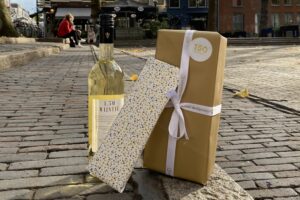
Het anderhalvemeterwijntje is an initiative that originated at the time of Corona. Due to all the measures regarding COVID-19, people tend to stay indoors. The risk is that we no longer speak to each other and no longer have social contact. The one and a half meter wine was a response to this: by giving a bottle of wine as a gift, you not only indicate that you are thinking of each other, but also by setting a date on which the bottle must be opened. Not only a fun experience, but also a responsible way to see each other carefree. In this way, the one and a half meter wine contributed to the social and mental health of people at the time of Corona.
Gat in de Markt
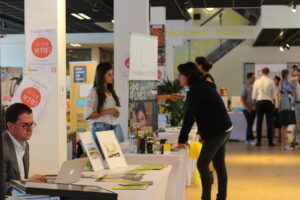
Gat in de Markt has put social and sustainable entrepreneurship on the map by organizing markets. By offering social and sustainable entrepreneurs a stage, they have brought visitors into contact with the companies’ unique products. This has created new networks and exchanges that benefit social entrepreneurs and inspire the public. In May 2015 the first edition of Gat in de Markt took place. In June 2019, the concept of Gat in de Markt was taken over by the Social Impact Factory from Utrecht, where it will be continued!
Potjemet
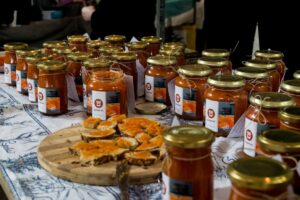
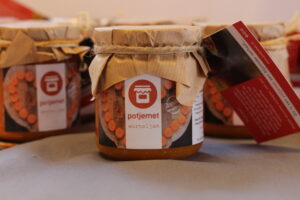
Potjemet combated food waste by making and selling organic carrot orange jam and apple beet jam. The jam was made in a professional kitchen by people with a mental disability, at Reinaerde. The fruit and vegetables were purchased from BioRomeo and were originally organic. They did not meet the requirements of the regular supermarkets, so that many of these vegetables were thrown away if Potjemet did not step in!
Kookeiland
Kookeiland delivered delicious exotic snacks from all kinds of different cultures, which were made by a permanent catering team. This catering team consisted of women with a refugee background, who live in the Netherlands and are trying to make a living here. The profit made on the catering services was used, among other things, to offer the women the opportunity to develop themselves by following language and hospitality courses, for example. The goal of Kookeiland was to eventually let these women flow to the labor market.
Oma’s United
In 2012 Oma’s United was set up, which combated loneliness among the elderly. Oma’s United has always strived to involve the elderly in today’s society by organizing creative and fun afternoons for them. Many beautiful products have emerged from these afternoons. For example, our most famous product, the Oma’s United Tasje, is worn by many residents of Utrecht.
SoSjaal
SoSjaal’s goal was to support refugee women in the Netherlands both socially and financially. These women had in common that they could knit well, but were less good at the Dutch language. SoSjaal wanted to reduce this last deficiency by giving the women the opportunity to give knitting workshops to the Dutch public, where they learned the language while working. In addition, the team took care of the sale of hip, sustainable products, knitted by the women, of which part of the profit was returned to the women.
Bennie
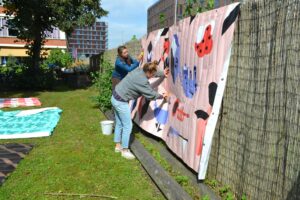
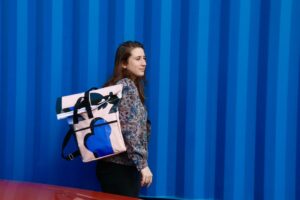
Bennie was an initiative that contributed to solving the global waste problem by upcycling old festival banners into stylish backpacksand tote bags. The project aimed to address the issue of festival banners, which are often used only once and then discarded—creating waste equivalent to the surface area of more than 150 football fields each year. Through Bennie, we gave these banners a second life by using both the mesh PVC for the exterior and the fabric banners for the lining. Festival-goers received a unique and sustainable keepsake in the form of a BenniePack, while also helping to reduce the waste footprint of the festival industry. Although Bennie has now closed, its impact on sustainability and waste reduction continues to inspire future projects.
Spodiversity
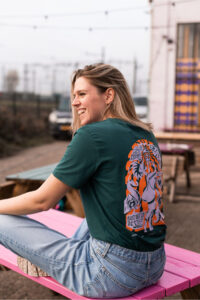
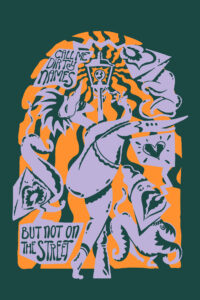
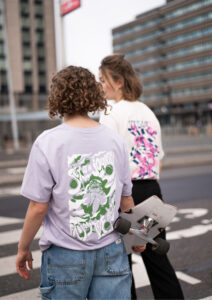
Spodiversity, or Spod, was an innovative enterprise that focused on producing sustainable cotton t-shirts. Their designs stood out for breaking stereotypes. Their collections explored themes like street intimidation, sexual wellbeing, and the celebration of pleasure. By combining eco-friendly materials with bold, thought-provoking messages, Spod aimed to promote both style and social awareness.